CTO v COO: Different Roles, Shared Goals
Technology and operations approach the business from different vantage points, but increasingly share the same problems.
Trevor Hicks
Founder, Stack Strategy
In many firms, the Chief Technology Officer (CTO) and Chief Operating Officer (COO) sit on parallel tracks.
The CTO is responsible for technology.
The COO is responsible for operations.
On paper, the lines look clear. But in practice, those lines quickly blur.
After spending years inside advisory firms and working alongside leadership teams navigating growth, regulation, cybersecurity, and now AI, I’ve come to believe the distinction between the roles matters less than the alignment between them.
Different mandates. Shared outcomes.
Before jumping to alignment, it helps to step back and look at how these roles are typically structured.
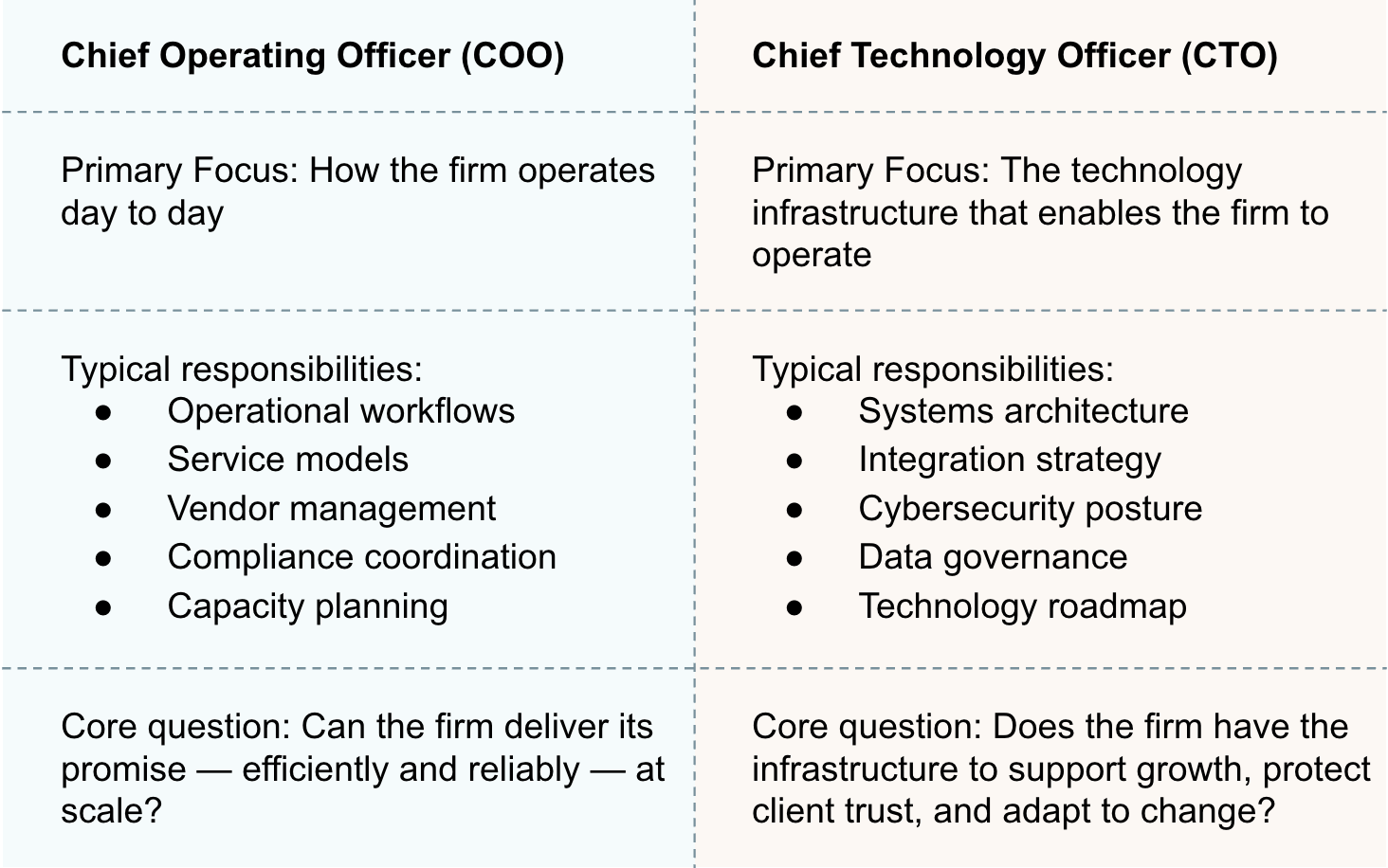
In many firms, this relationship also reflects a familiar operating principle: people, process, and technology.
Operations leaders tend to focus on process -- how work moves through the firm and how services are delivered consistently. Technology leaders focus on the infrastructure that supports and scales those processes.
The real value emerges when those perspectives are aligned.
Where the lines begin to blur
Technology is embedded in nearly every aspect of a firm’s operations -- from client experience and advisor productivity to compliance reporting and firm valuation.
This is where the overlap between operations and technology becomes visible.
The COO often feels pressure from friction in workflows. The CTO sees the friction inside the systems.
Two vantage points. Same friction.
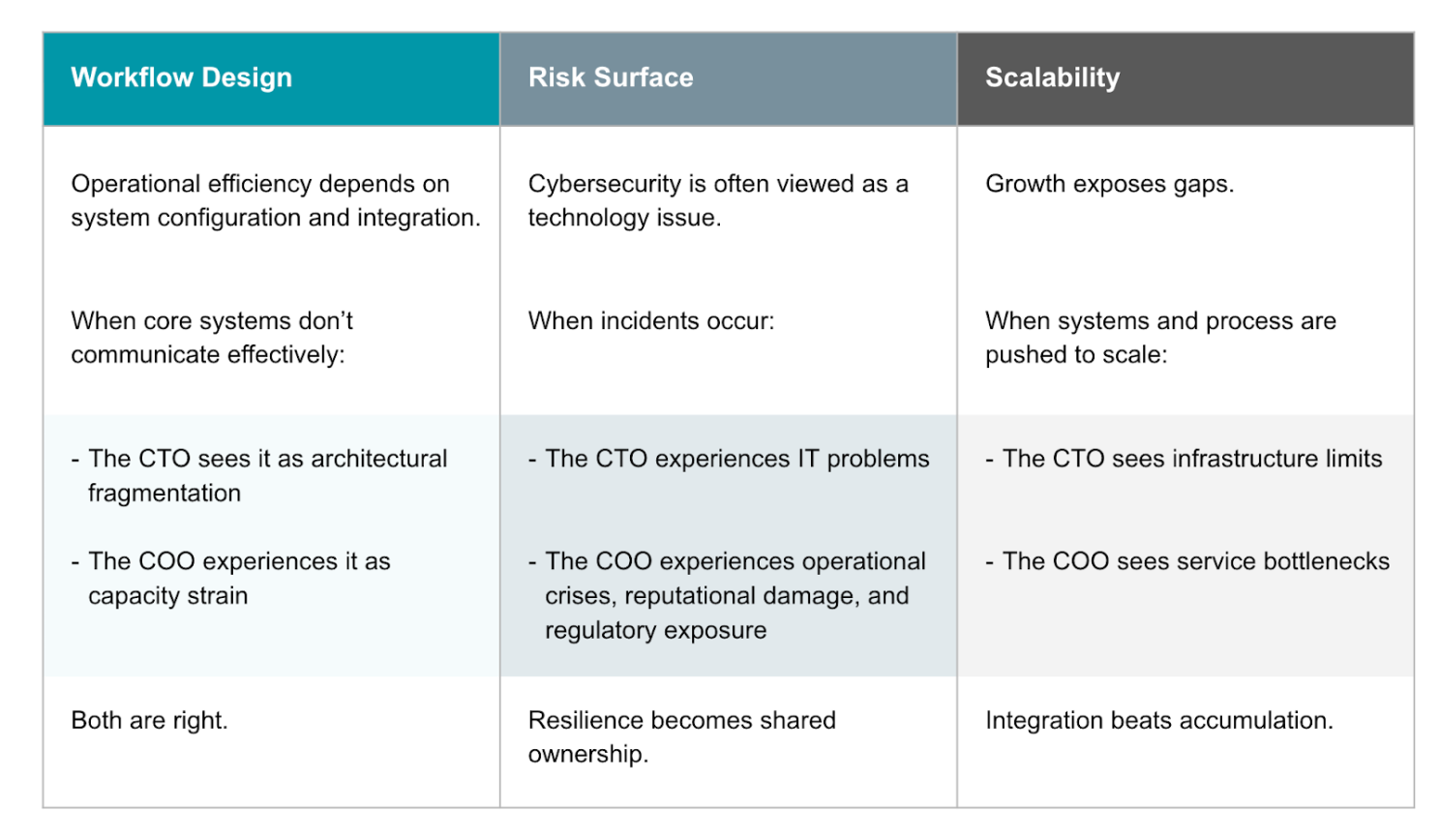
Some overlap is inevitable. In many firms, it’s actually where the most productive discussions happen.
Tension is healthy -- If it’s productive
It’s natural for operations leaders to prioritize stability and predictability, while technology leaders push modernization and change.
The challenge arises when those perspectives operate in isolation.
Technology decisions may not fit real workflows. Operational adjustments can create process patches that increase long-term complexity.
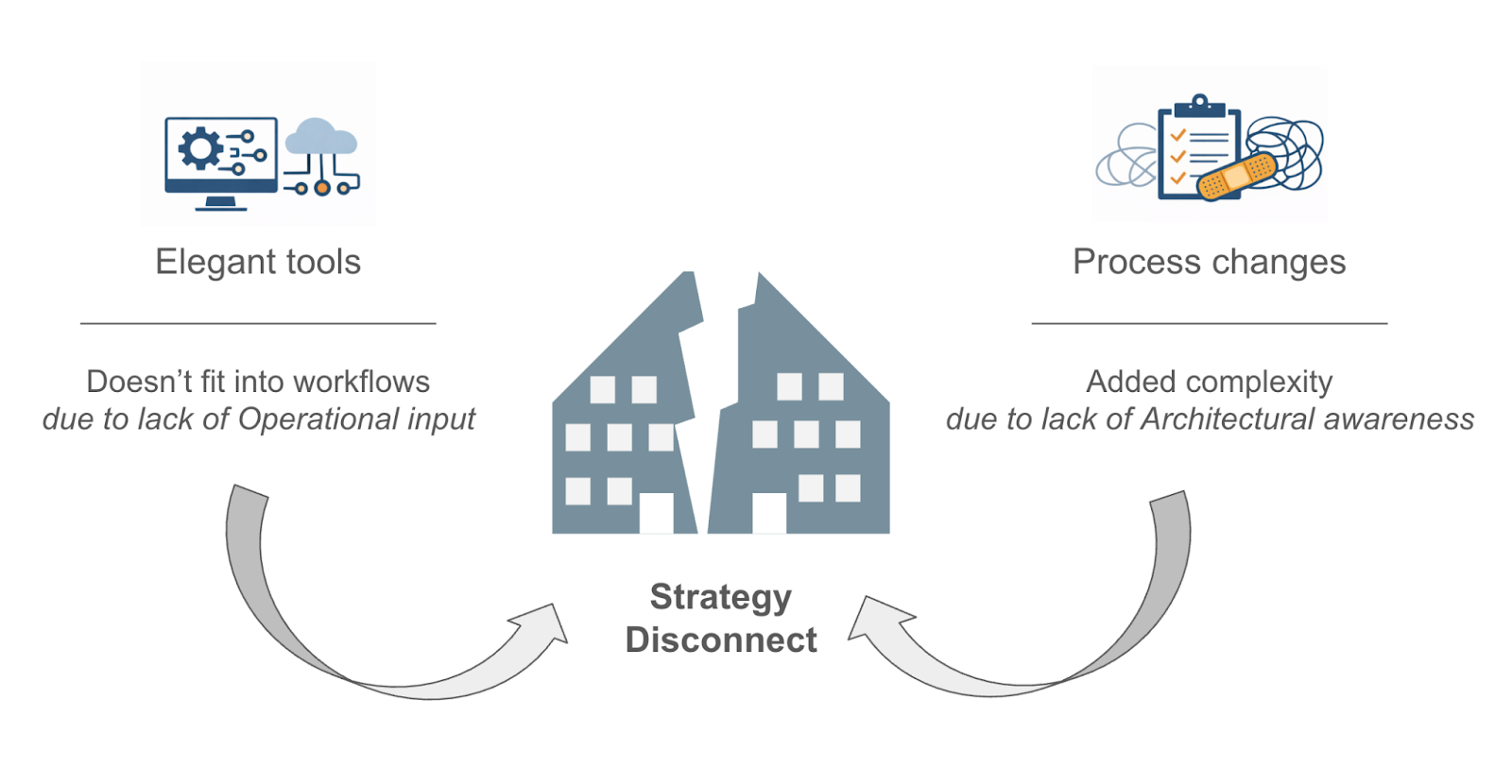
Alignment doesn’t mean agreement on everything. It means shared visibility into trade-offs.
What alignment looks like in practice
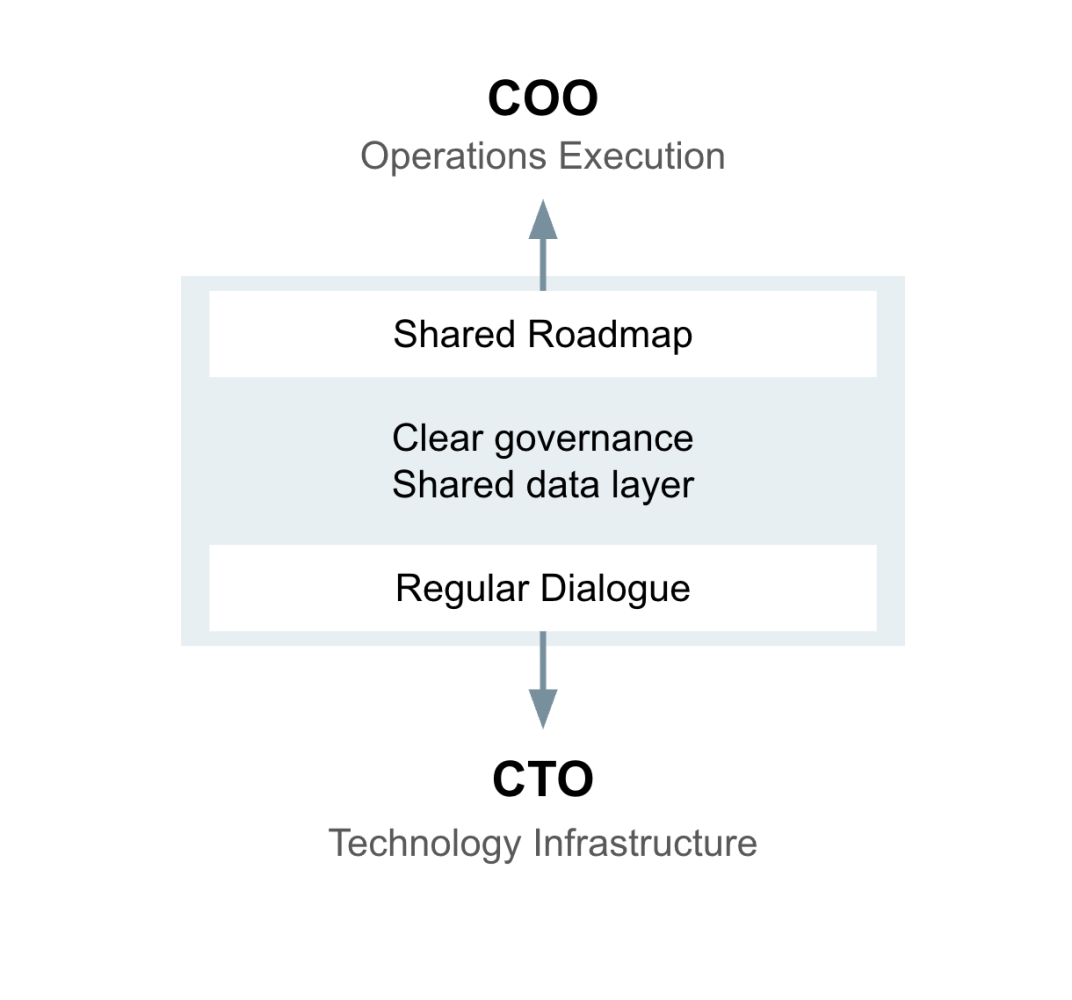
When the partnership works well, a few patterns tend to emerge.
A shared roadmap.
Technology investments are tied directly to operational objectives -- not adopted simply because they are new, but because they solve a defined constraint.
Clear governance.
Decision rights are understood; there’s no ambiguity. Who evaluates vendors? Who owns implementation? Who defines success metrics?
Data as a joint asset.
Operational reporting and decision-making depend on accurate, integrated data. Technology leaders help ensure that data flows across systems in ways the business can actually use.
Regular dialogue, not just project meetings.
The most effective partnerships aren’t transactional. They involve ongoing discussion about risk, capacity, client expectations, and long-term positioning.
The shared goal: Aligning for growth
As firms face increasing technology and regulatory complexity, the relationship between operations and technology becomes even more important.
AI, automation, and regulatory scrutiny are compressing decision cycles. Firms are being asked to innovate while strengthening their risk posture.
Technology choices now affect:
- Client trust
- Operational resilience
- Advisor productivity
- Firm valuation
And increasingly, capital allocation decisions.
In smaller firms, one person may wear both hats. In practice, that often means the COO is also responsible for technology strategy and decisions.
These leaders tend to approach technology through the lens of process -- looking for systems that improve workflows, efficiency, and service delivery. That perspective is valuable, but it also highlights why alignment between process thinking and technology architecture becomes more important as firms grow.
The COO ensures the firm runs well today.
The CTO ensures it can run well tomorrow.
Different roles. Shared goals.
Originally published on LinkedIn by Trevor Hicks.